
Milk Matters: Dairy in the Anthropocene
What is the story of milk in a warming world? From 2–5 July 2026, Science Gallery Bengaluru (SGB) hosted Milk Matters: Dairy in the Anthropocene, a residential symposium held as part of our ongoing Anthropocene programme and the CALORIE Exhibition Season.
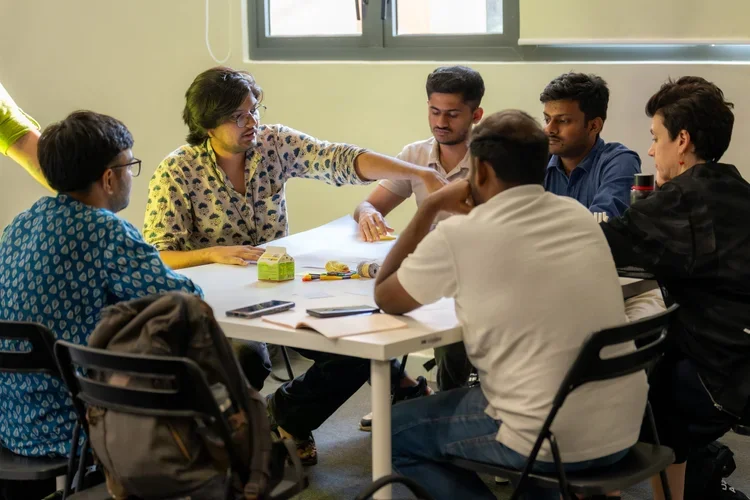
Selected participants comprised a diverse group of young adults aged 18 to 30, including nutritionists, anthropologists, ecologists, artists, journalists, students, and early-career researchers. Together, alongside a multidisciplinary group of facilitators, they critically examined dairy as a nutritional substance shaped by climate, ecology, science and culture. Over four days, participants engaged with lectures, discussions, screenings, workshops, tastings, and field visits exploring milk from different lenses: as nourishment, as industry, as ecology, and as cultural inheritance.
For decades, governments and health systems have promoted milk as an essential source of protein, calcium and micronutrients, embedding it in infant feeding practices, school nutrition programmes, and ideas of a complete diet. Yet the systems that produce this milk: animals, fodder, land, water, and infrastructure, sit under growing pressure from the climate crisis. Changing rainfall alters fodder availability; heat stress affects animals and yields; farms spend more to keep cool. These shifts ripple back into questions of availability, price, and nutrition security. Milk Matters used these tensions as a starting point for cultural inquiry. The discourses followed milk from production to processing to plate to ask sharper questions about what counts as nourishment in a warming world, and who gets to decide that.
Milk Matters: Dairy in the Anthropocene is part of Anthropocene Campus, contributing to a long-term public engagement programme investigating the cultural, socio-economic, and scientific dimensions of the Anthropocene.
THEMES EXPLORED
Milk as Nutrition: Science and Public Policy
Milk Microbiology, Disease, and Public Health
Pastoral Communities, Milk and Ecological Change
Milk in India: The White Revolution and Visual Culture
Contemporary Milk Production: Industrial Systems and Cooperatives
Sustainable Production and the Future of Milk
PROGRAMME
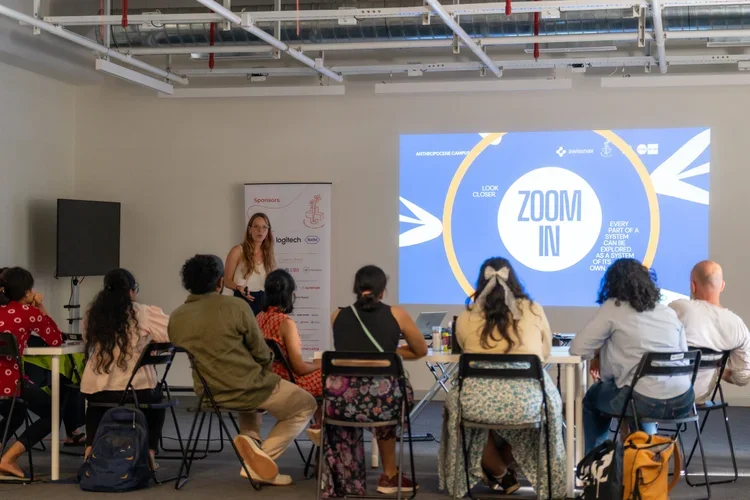
The commencement of the symposium brought together our collaborative partners: Swissnex and Akshayakalpa Organic, with the SGB team. Gayatri Manu and Jamie Allen opened with context-setting, followed by icebreakers led by the SGB team.
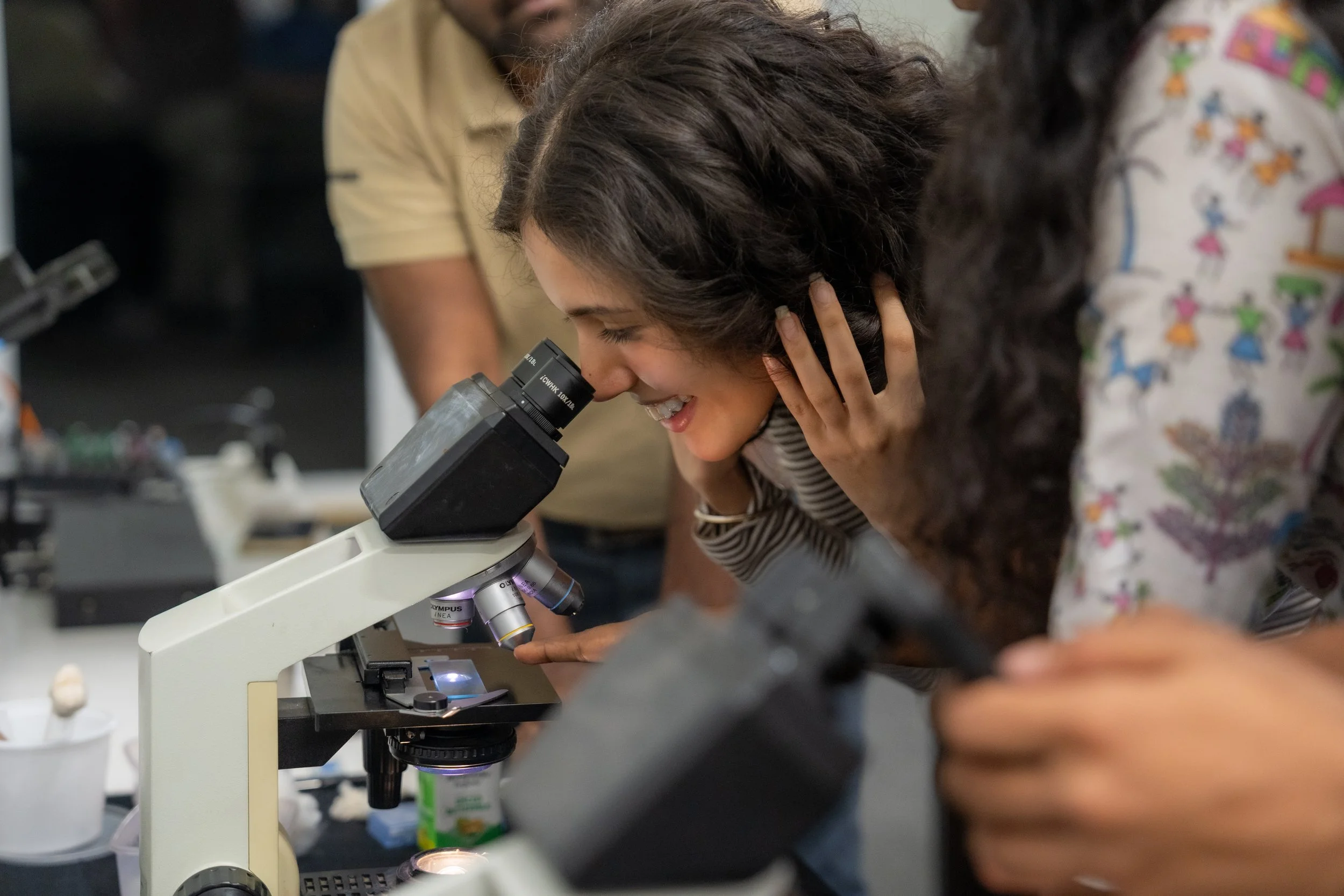
Nutrition, Safety, Environment
Day 1 | 2 July 2026
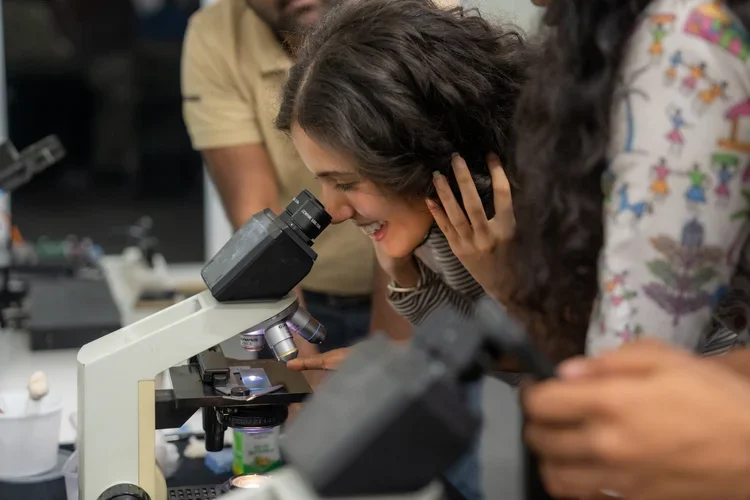
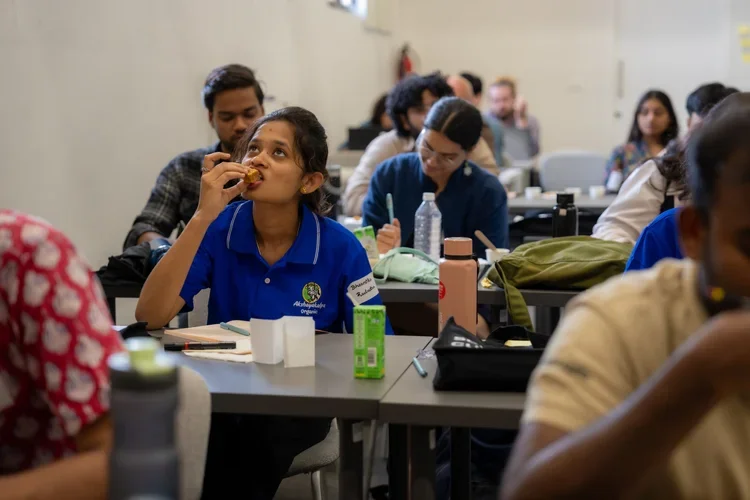
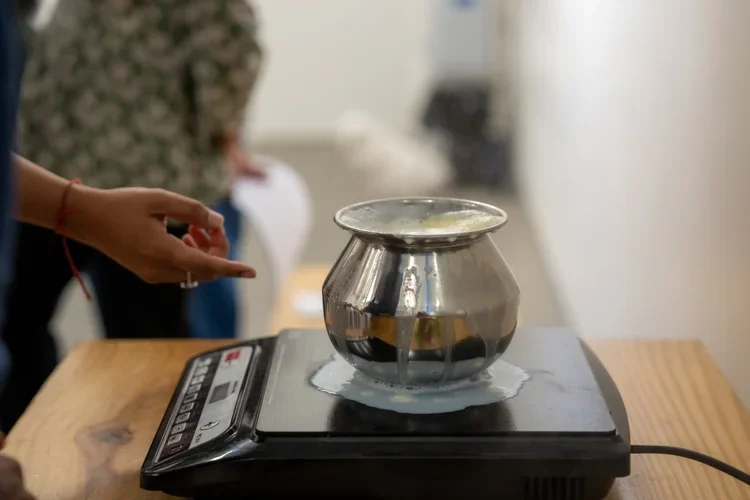
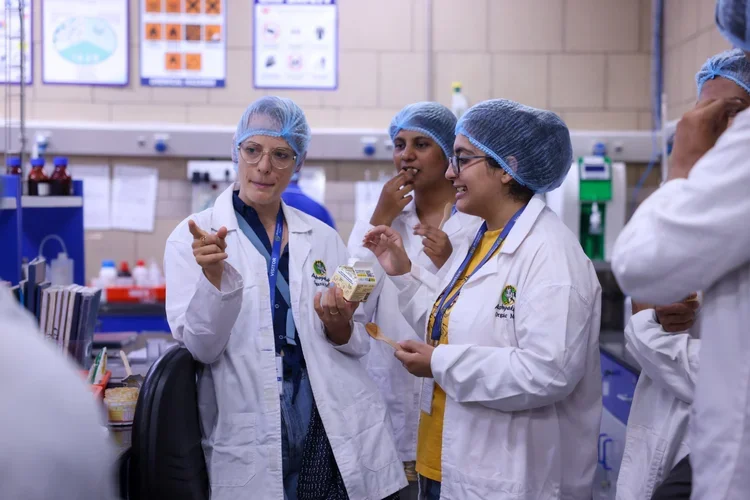
Public health professional Jyoti Sharma spoke on balancing nutrition, food safety and sustainability; filmmaker Utpal Tatu and CEO and Shashi Kumar, Founder of Akshayakalpa Organics, examined milk as a mirror of environmental health and asked, what does milk reveal about the world we are creating? Ramachandra B, Dairy Microbiologist ran a hands-on milk microbiology workshop; and Lily Kelting closed the day with a session on milk and the senses, exploring it through touch, smell, and taste.
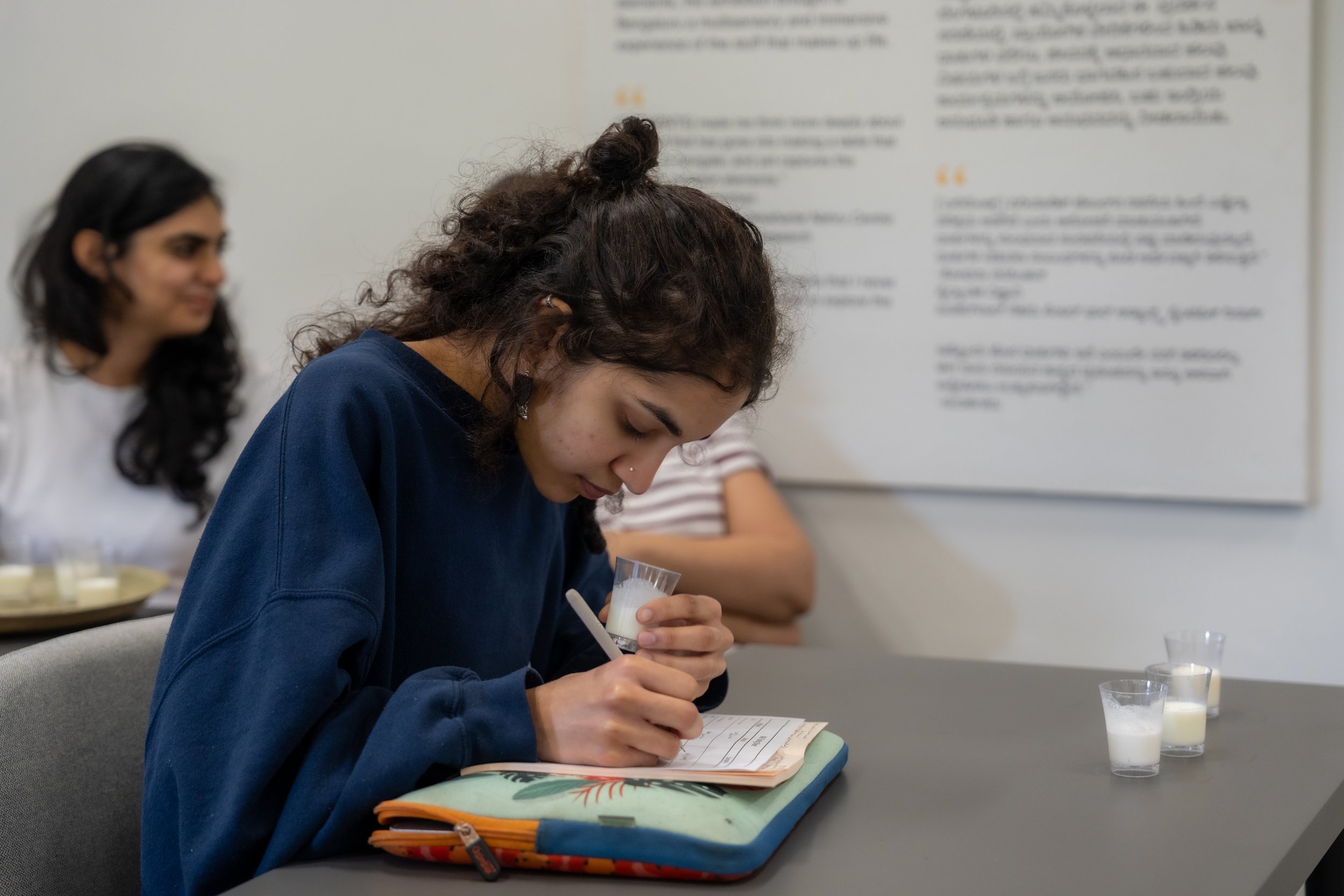
Markets, Taste, Infrastructure
Day 2 | 3 July 2026
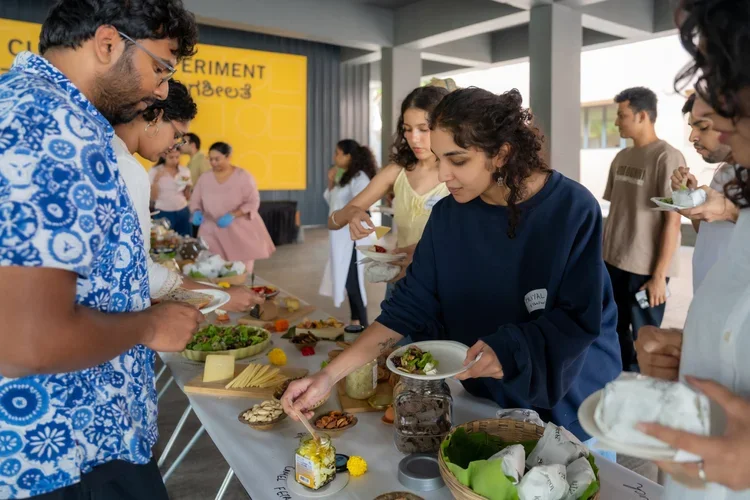
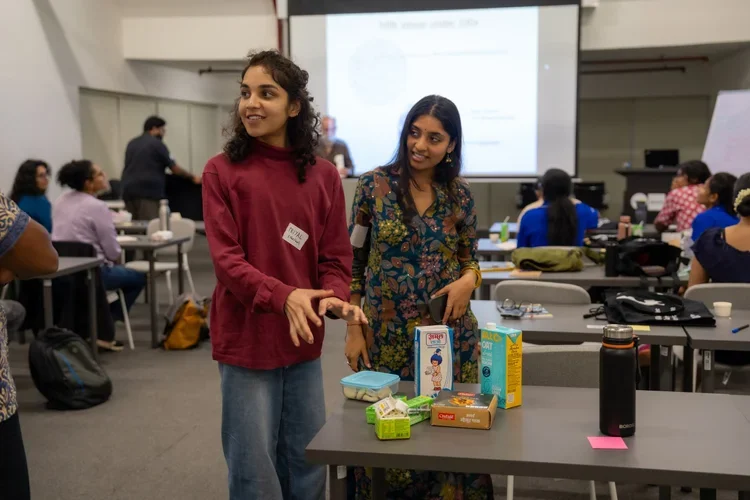
Aniruddh Sheth, academic researcher, traced the churning of new markets for camel pastoralism. Food systems researcher Elizabeth Yorke, food culture researcher Kumud Dadlani, and Cheemonger and Cheesemaker, Mansi Jasani led a session on dairy through taste and terroir.
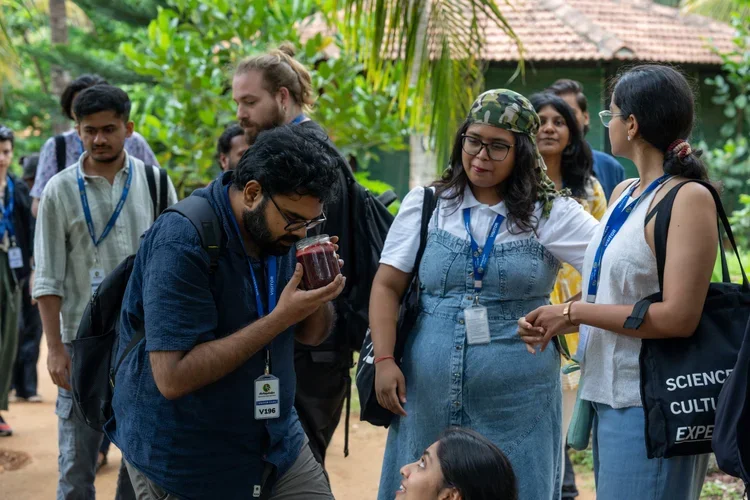
The day closed with an offsite session, Let the Milk Churn, co-facilitated by artist Kairavi Shah, artist-researcher Jamie Allen, and researcher Revati Pandya. This was a smetabolic low walk through the working grounds of Bengaluru's Veterinary Science College, and Dairy Science College, from the pathology lab and the library, to the cows themselves.
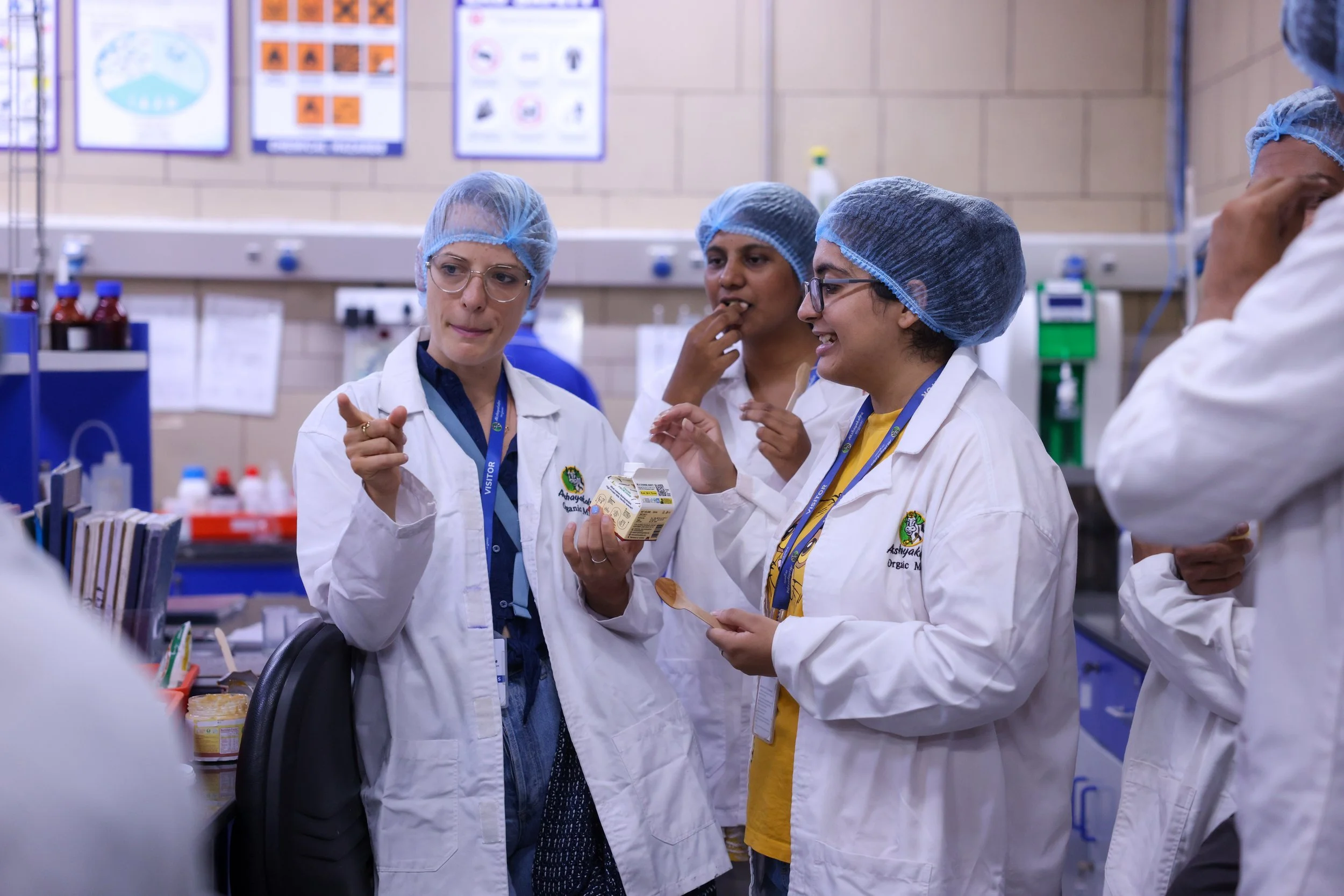
Farm-to-Lab Visit
Day 3 | 4 July 2026
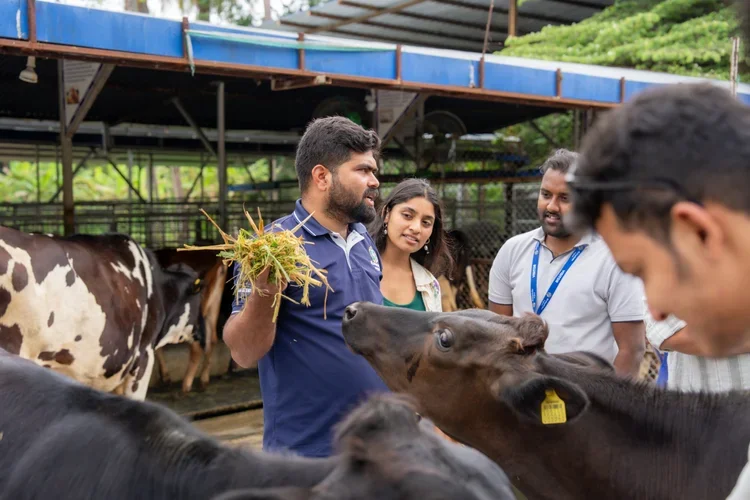
The full day was spent offsite at Akshayakalpa Organic Farms, tracing milk from soil and fodder through animal care to processing.
Cooperatives, Culture, Closing
Day 4 | 5 July 2026
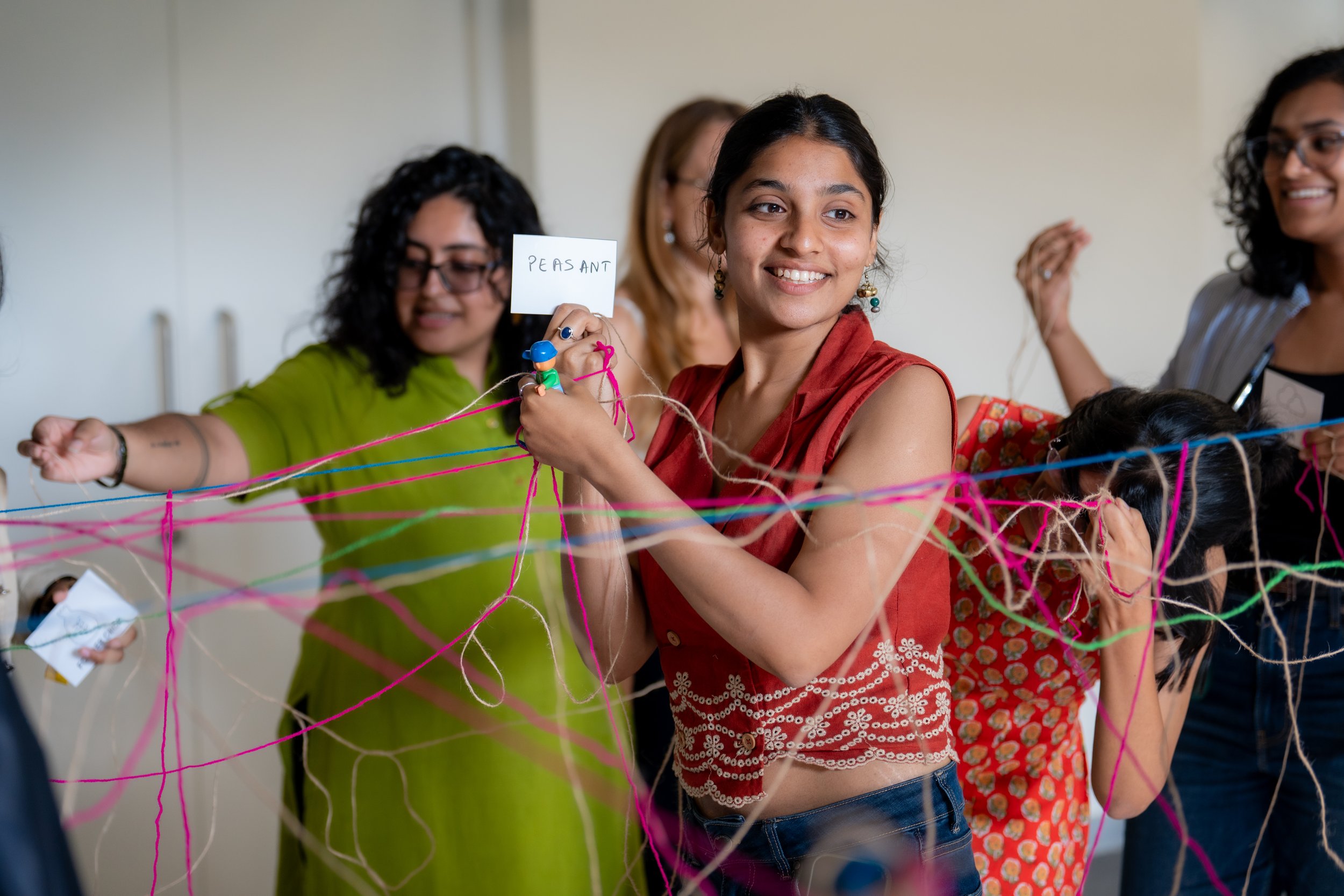
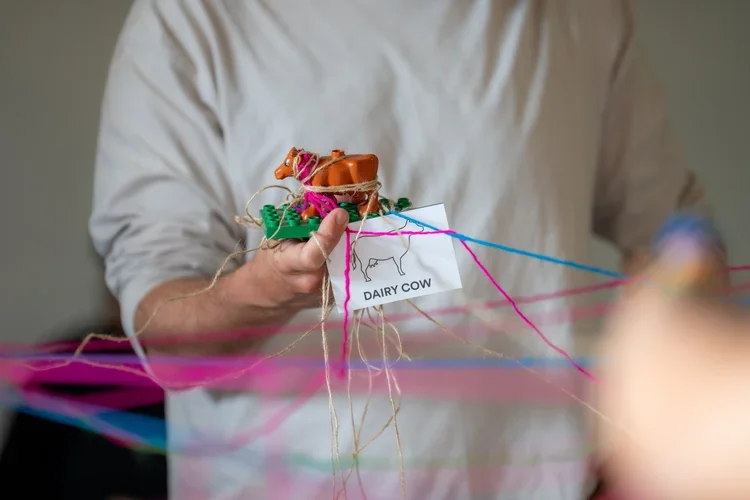
Aastha Bafna, policy researcher, opened with cattle and community in a changing climate, followed by a screening of Shyam Benegal's 1976 film Manthan, on the cooperative movement behind India's White Revolution. Ashok Vish, filmmaker, led a session framing the milk cooperative, and Agathe Verhulst, policy researcher and Smriti Chawla, from Swissnex in India closed the symposium with a systems-thinking exercise built around one question: what if milk simply disappeared?
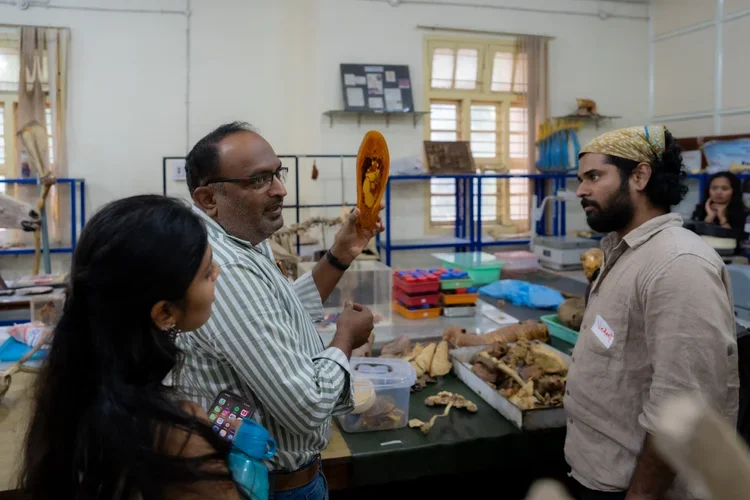
Shaped by the programme, the insights of both facilitators and participants will be published as a collection focused on climate change and milk.
FACILITATORS
Aastha Bafna
Policy researcher, The Council's Sustainable Food Systems
Elizabeth Yorke
Food Systems Researcher, Edible Issues
Kumud Dadlani
Food Culture Researcher
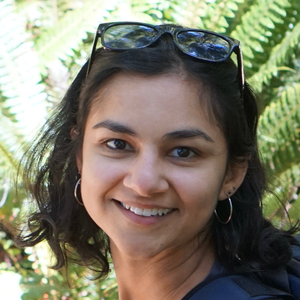
Revati Pandya
Researcher, Azim Premji University

Agathe Verhulst
Veterinarian, One Health
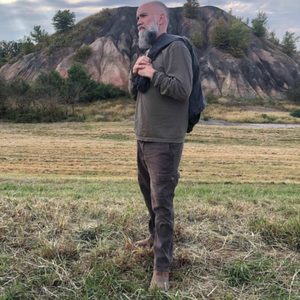
Jamie Allen
Artist and Researcher, Critical Media Lab (FHNW Basel)
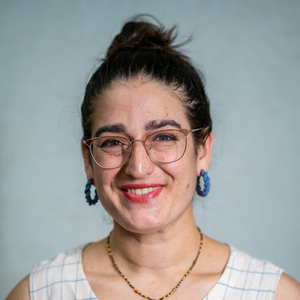
Lily Kelting
Writer, FLAME University
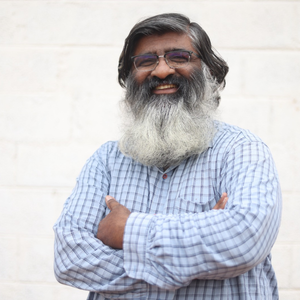
Shashi Kumar
Founder and CEO, Akshayakalpa Organic
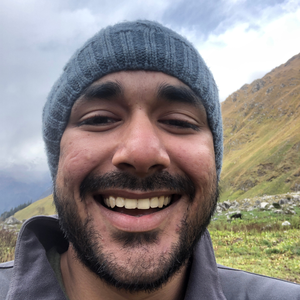
Aniruddh Sheth
Researcher, Centre for Pastoralism
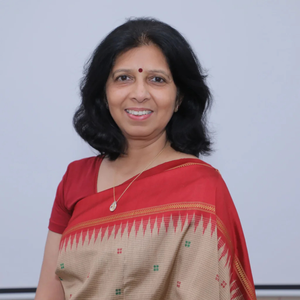
Jyoti Sharma
Public Health Professional, Indian Institute of Public Health
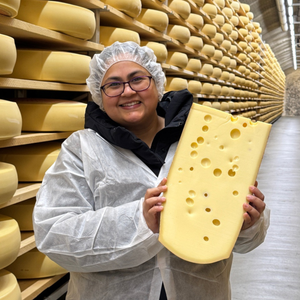
Mansi Jasani
Cheesemonger & Cheesemaker, The Cheese Collective
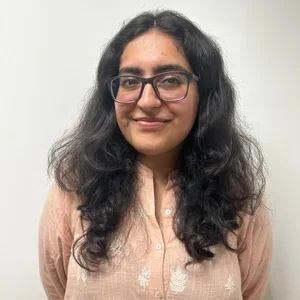
Smriti Chawla
Swissnex
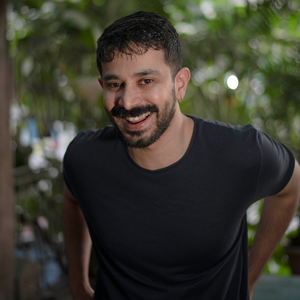
Ashok Vish
Independent Filmmaker
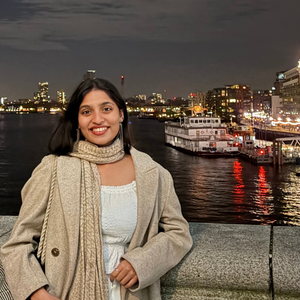
Kairavi Shah
Artist, MA in Art and Science at the University of the Arts London
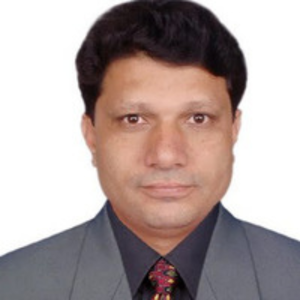
Ramachandra B
Dairy Microbiologist, Dairy Science College
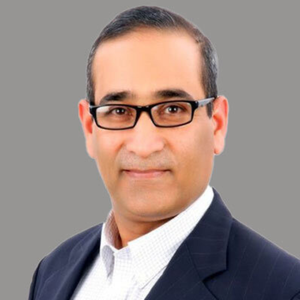
Utpal S. Tatu
Molecular Biologist and Biochemist, Indian Institute of Science
SCIENCE GALLERY BENGALURU TEAM
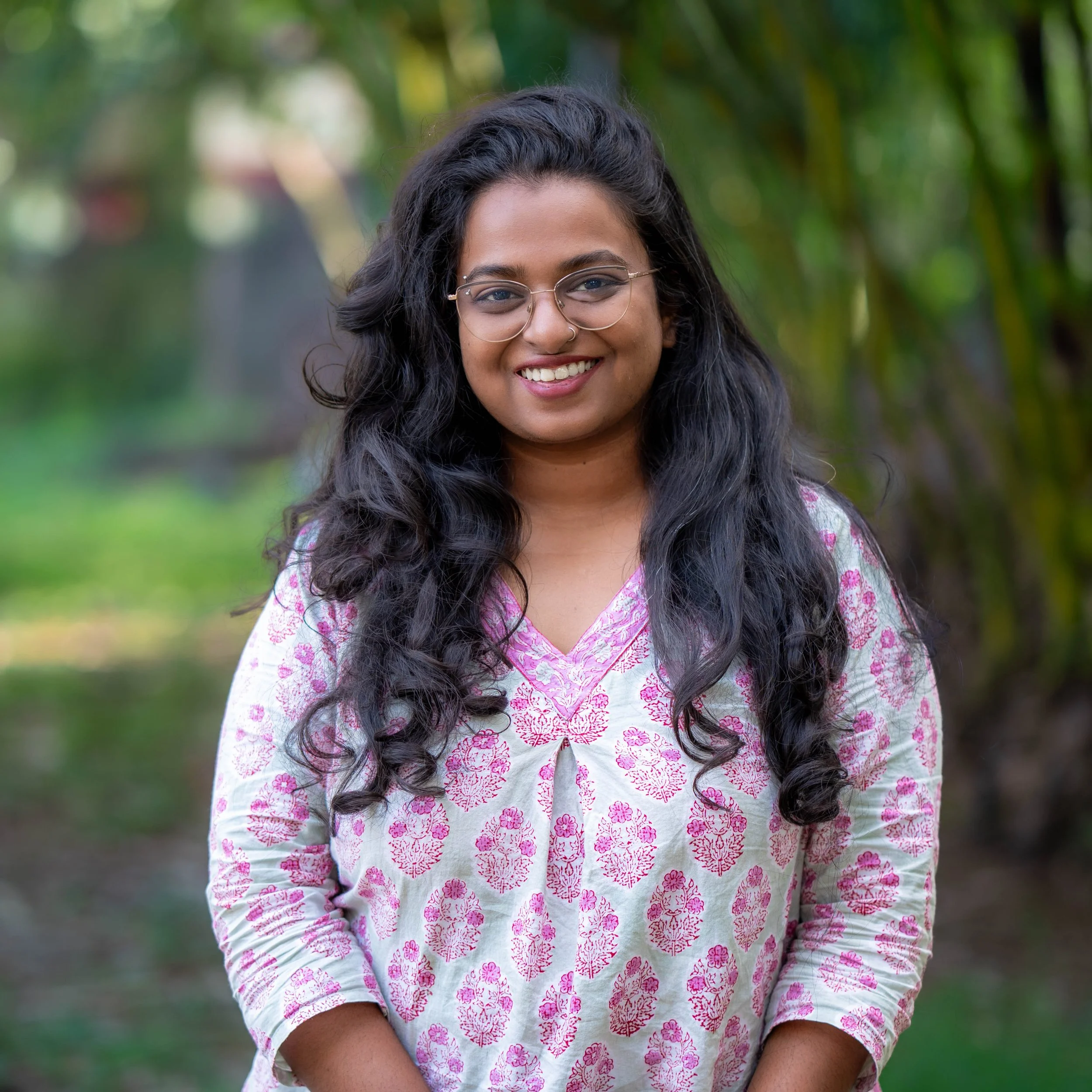
Gayatri Manu
Writer
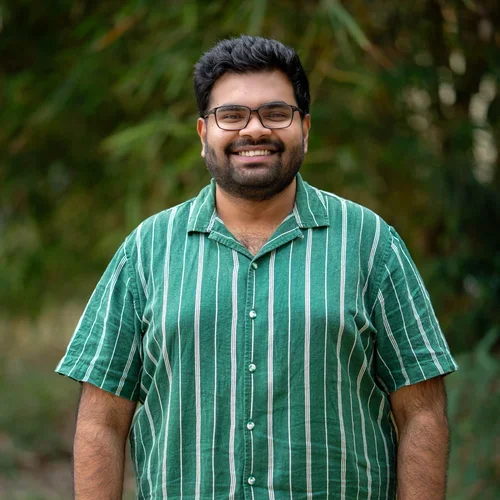
Jagath V
Biologist
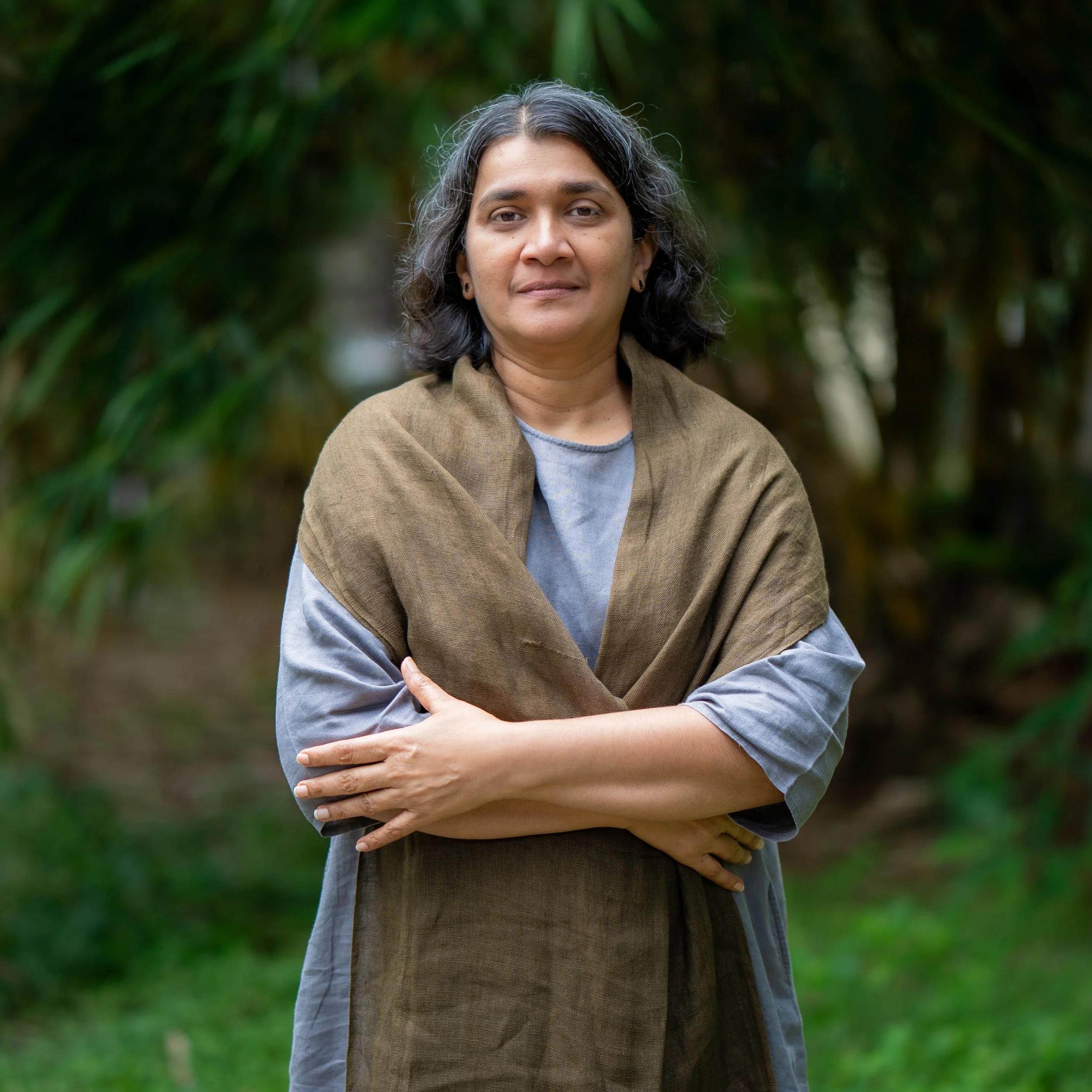
Jahnavi Phalkey
Historian of Science
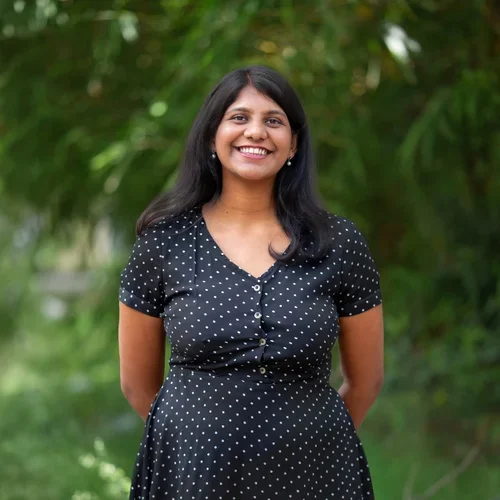
Manasvi C M
Science Communicator
IN PARTNERSHIP WITH

Programme Partner: Swissnex in India

Refreshment Partner: Akshayakalpa Organic Farms