This is an archive of Science Gallery Bengaluru’s seventh exhibition-season Sci560-Science in the City.
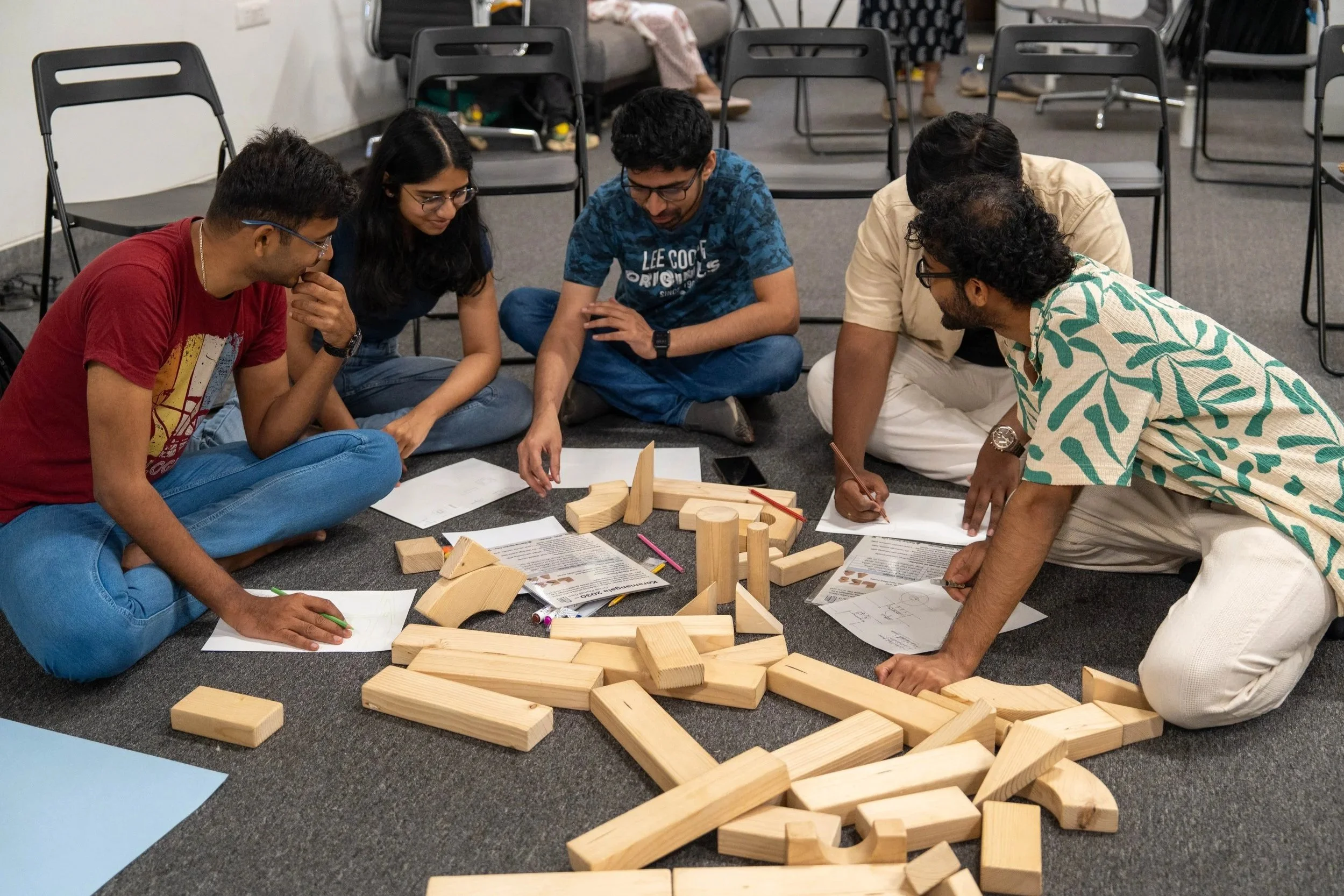
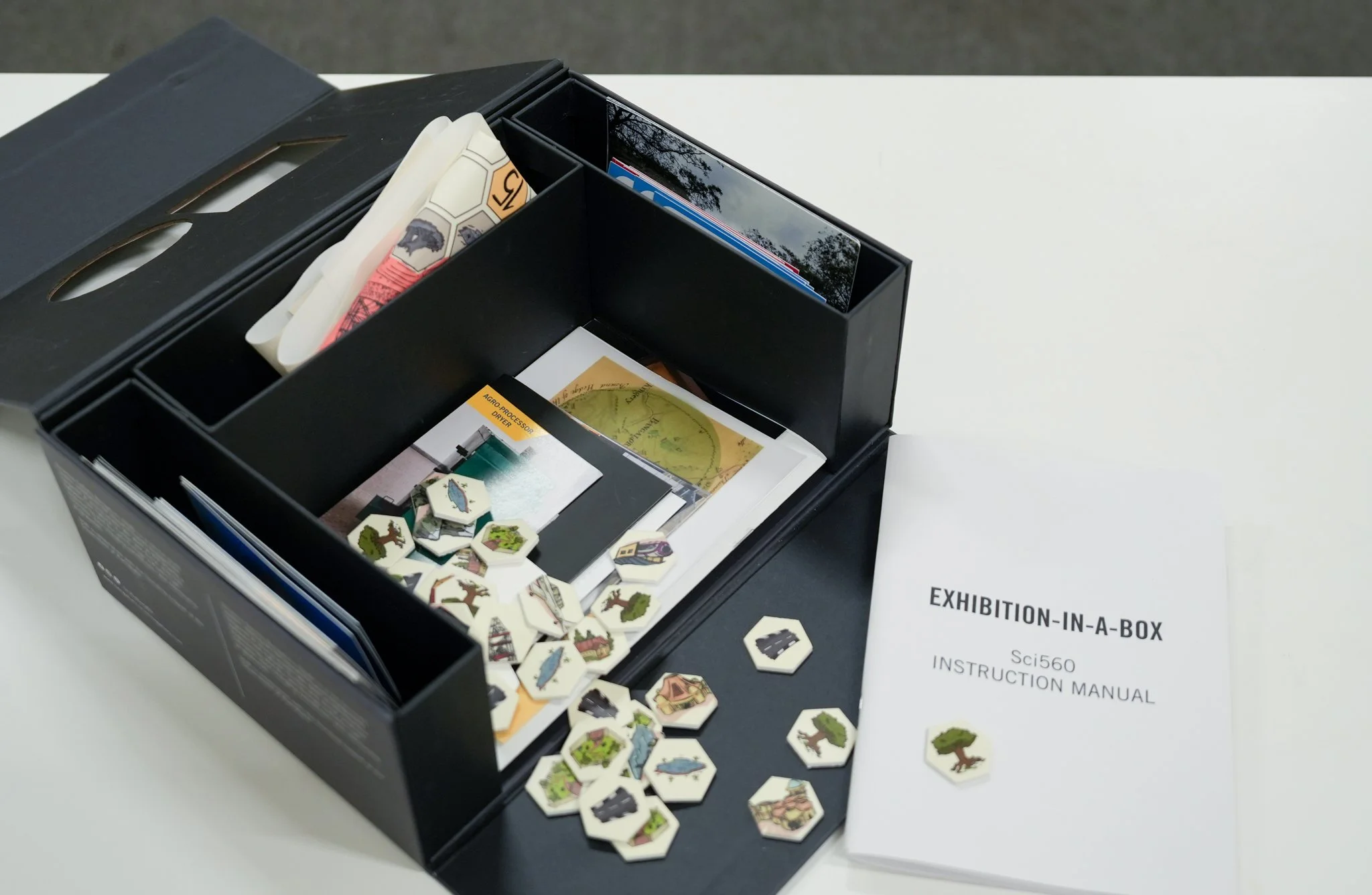
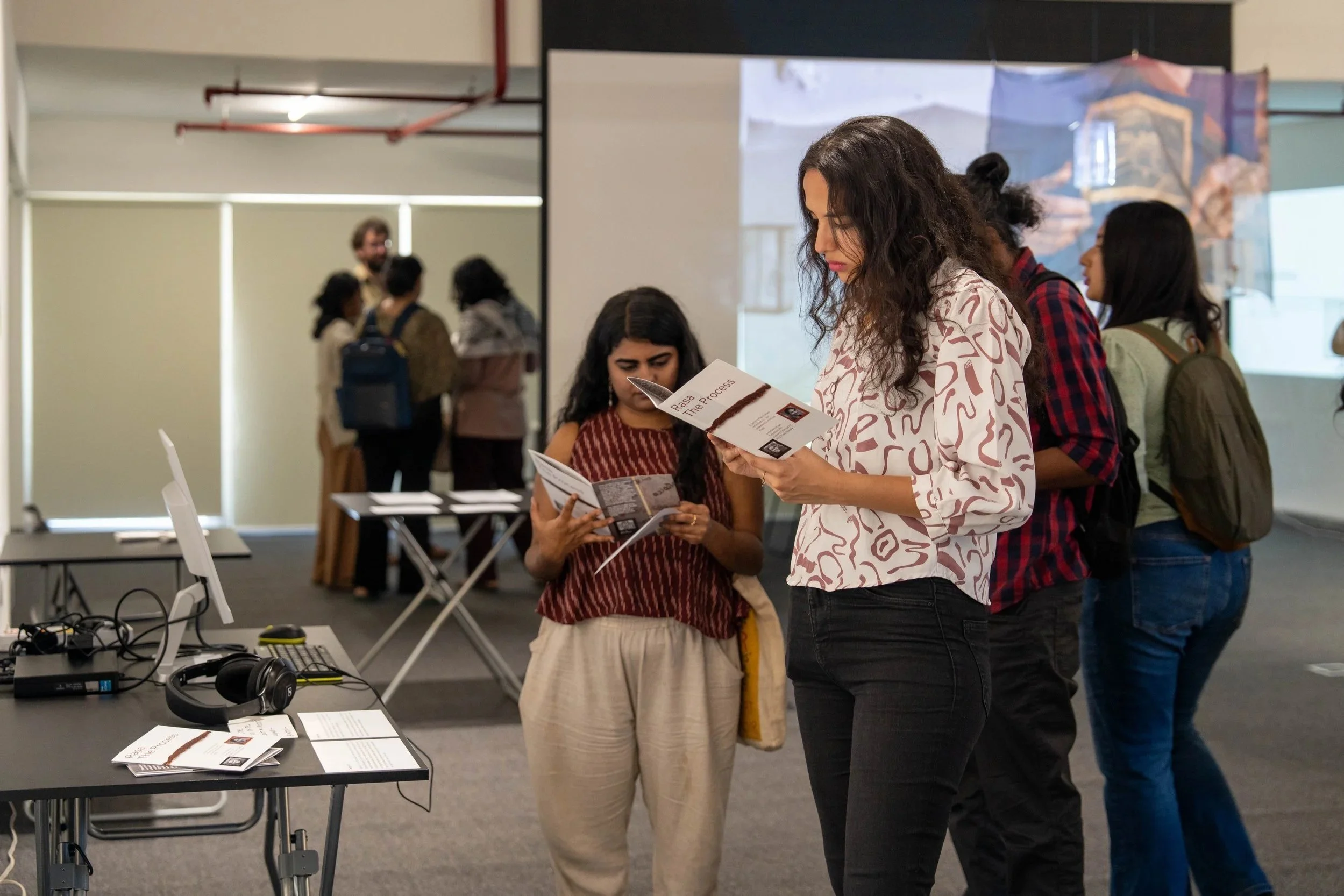
Sci560 - Science in the City hosted 37 interactive exhibits, along with a comprehensive collection of lectures, events, workshops and masterclasses, tutorials, and film screenings and discussions, as a way to provide visitors multiple points of entry with which to begin their journey. Although the CARBON exhibition-season has concluded, we hope that the archive proves fruitful for all inquisitive and probing minds.
ABOUT Sci560 - Science in the City
In 19th century Bengaluru, the establishment of a baseline for the Great Trigonometric Survey of India led to the calculation of the earth’s curvature and the eventual discovery of Mt Everest as the tallest mountain peak in the world. The first city to get electric street lamps in Asia, Bengaluru hosted India’s first scientific research institution, and is today equally known for developments in IT—international R&D, BPO services—with Indian IT giants like Infosys, Tata Consultancy Services, and Wipro headquartering in the city. This has eclipsed, if only to some extent, the more recent success story of India’s space programme which is also headquartered in the city. Given that the new confidence in Indian science and engineering comes from these two sectors, the city is a symbol of a New India.
The ‘Sci560’ exhibition aims to cultivate a strong connection between the citizens of Bengaluru and research institutions in the city. Featuring scientific objects from eminent institutions in Bengaluru, the exhibition introduces elements from the city’s broader socio-historical context to offer an exploration of this city’s multifaceted history of science.
Our exhibition tells the story of the identity of Bengaluru as a city which shaped and was in turn shaped by pioneering scientific research. We want a growing recognition of the people, places, institutions and events that have and continue to nurture science and engineering in the city. The presence of many research institutions has facilitated multidisciplinary collaboration and marked the city as the nexus of a national and global network at the cutting edge of technological advancement.
How did Bengaluru emerge as a cosmopolitan, collaborative and agile city? What was happening socially and culturally in the city at different notable moments in public memory? What was the research happening in the city responding to? To provide a comprehensive context of science in the city, the exhibition will layer scientific objects with maps, public documents, archival photos, films, oral histories, illustrations and interactive elements. This approach will showcase Bengaluru’s role in research and innovation, highlighting, to its citizens and philanthropic circles, the significant role of research institutions in shaping the city’s trajectory.
How does the intersection of scientific research, public policy and philanthropy culminate in the sustained development of the city? What are the ways in which we can imagine sustainable development for the city?
This exhibition opened its door to the public in August 2024.
Sci560 is supported by a grant from Rohini Nilekani Philanthropies.